
Casual wear at work: finding the balance 30 avril 2026
Workwear has changed. The old rules of stiff suits and rigid dress codes are fading, replaced by a more relaxed approach. Casual clothing at the workplace doesn’t mean pajamas or gym shorts—it means comfort with intention, style with respect, and confidence without excess.
1. What casual clothing really means
Casual wear at work covers a wide range. It’s less formal than classic business attire but still polished enough for professional settings. Jeans, summer dresses, or polo shirts can be acceptable, but the key is context. A casual outfit should help you feel comfortable and relaxed while still showing that you care about your appearance.
2. Dressing for the situation
Not every day requires fancy work clothes. Many workplaces allow casual wear, but the environment matters. Meeting a client or management? Lean toward formality. Spending the day at your desk or in a creative session? Casual clothing works. The rule is simple: dress according to the situation, not just the code.
3. When casual is appropriate
There isn’t one answer. Some companies encourage “casual Fridays,” where employees dress informally. Others host meetings in cafeterias or lounges where casual clothing feels natural. Social events connected to work often allow relaxed attire. Ultimately, use judgment. Read the room, know the environment, and adapt your style to the occasion.
4. What to avoid with a casual dress code
Casual doesn’t mean careless. Avoid clothing that is too revealing or inappropriate for a professional space. Short skirts, tight dresses, or low-cut tops distract from professionalism. On the other side, don’t go too casual—worn-out jeans, basic T-shirts, or sneakers may look sloppy. Flashy or overly trendy pieces can also send the wrong message. Even if technically allowed, ask yourself: does this outfit reflect respect for the workplace?
5. Building a business-casual look
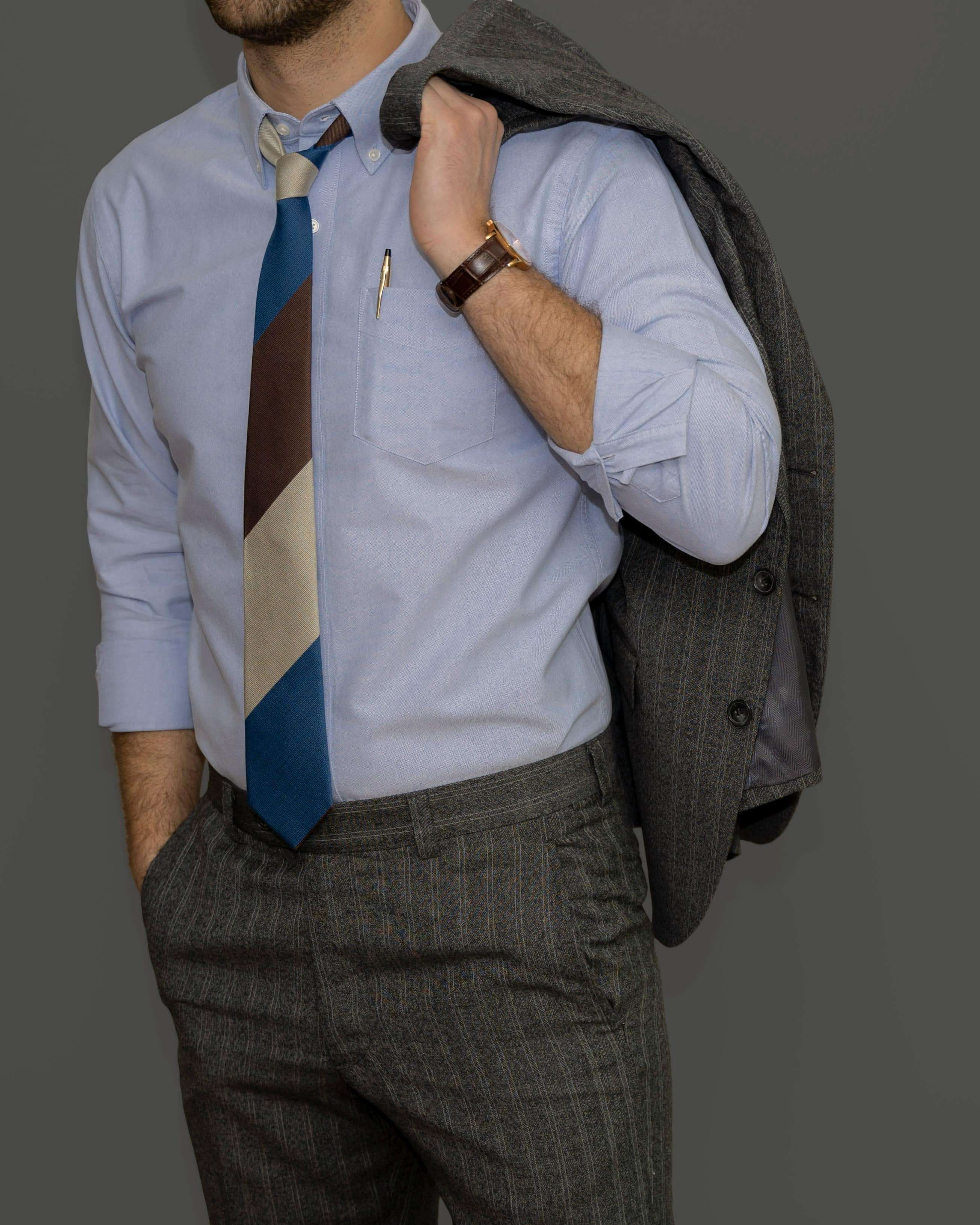
Business-casual is the sweet spot. It lets you express personality while staying professional. Start with comfort—choose fabrics that breathe and cuts that let you move freely. Add structure with trousers, blazers, or tailored skirts. Introduce color or subtle patterns to make the outfit stand out. Accessories should be minimal but thoughtful. The goal is balance: relaxed yet refined.
6. The rise of casual dress codes
In recent years, casual dress codes have become more popular. Companies recognize that comfort improves focus and creativity. Employees feel more at ease, and the workplace atmosphere becomes more approachable. Still, casual doesn’t mean unpolished. The best outfits combine ease with elegance, showing that you respect both yourself and your colleagues.
7. Confidence is the final touch
Clothing is more than fabric—it’s a message. A casual outfit should say: I am comfortable, I am professional, and I am ready. Confidence comes from knowing your look fits the environment and reflects your personality. When you feel good in your clothes, you focus on your work, not your discomfort.
Casual wear at work is about balance. It’s about respecting the professional setting while embracing comfort and authenticity. By choosing the right fabrics, paying attention to fit, and adapting to the situation, you create outfits that feel effortless yet refined.
At the end of the day, casual clothing at work is not just about rules—it’s about confidence, comfort, and the image you project. Dress with intention, stay true to yourself, and let your style support your success.